envelopeInfo@mgps.com.au
Your images for the set subject of Tryptich (1 open subject images, 1 set subject Images) are due by 9PM Wednesday, 28th of October 2026.
Definition:
A triptych photo is created from three separate photographic panels, which can either be three distinct images that share a common theme or a single larger image divided into three sections.
Your images for the set subject of Annual Competition (1 open subject images, 1 set subject Images) are due by 9PM Wednesday, 11th of November 2026.
Definition:
Only images captured within the past 12 months from submission date are eligible.
Images that have received an Honour or a Merit may also be submitted into this competition.
The Competition Categories (one Image per Category) are:
• Print - Colour - Open Subject
• Print - Monochrome - Open Subject
• Digital Image - Colour - Open Subject
• Digital Image - Monochrome - Open Subject
The competition is conducted in two grades:
• A grade members
• B (includes both AB and B grade members)
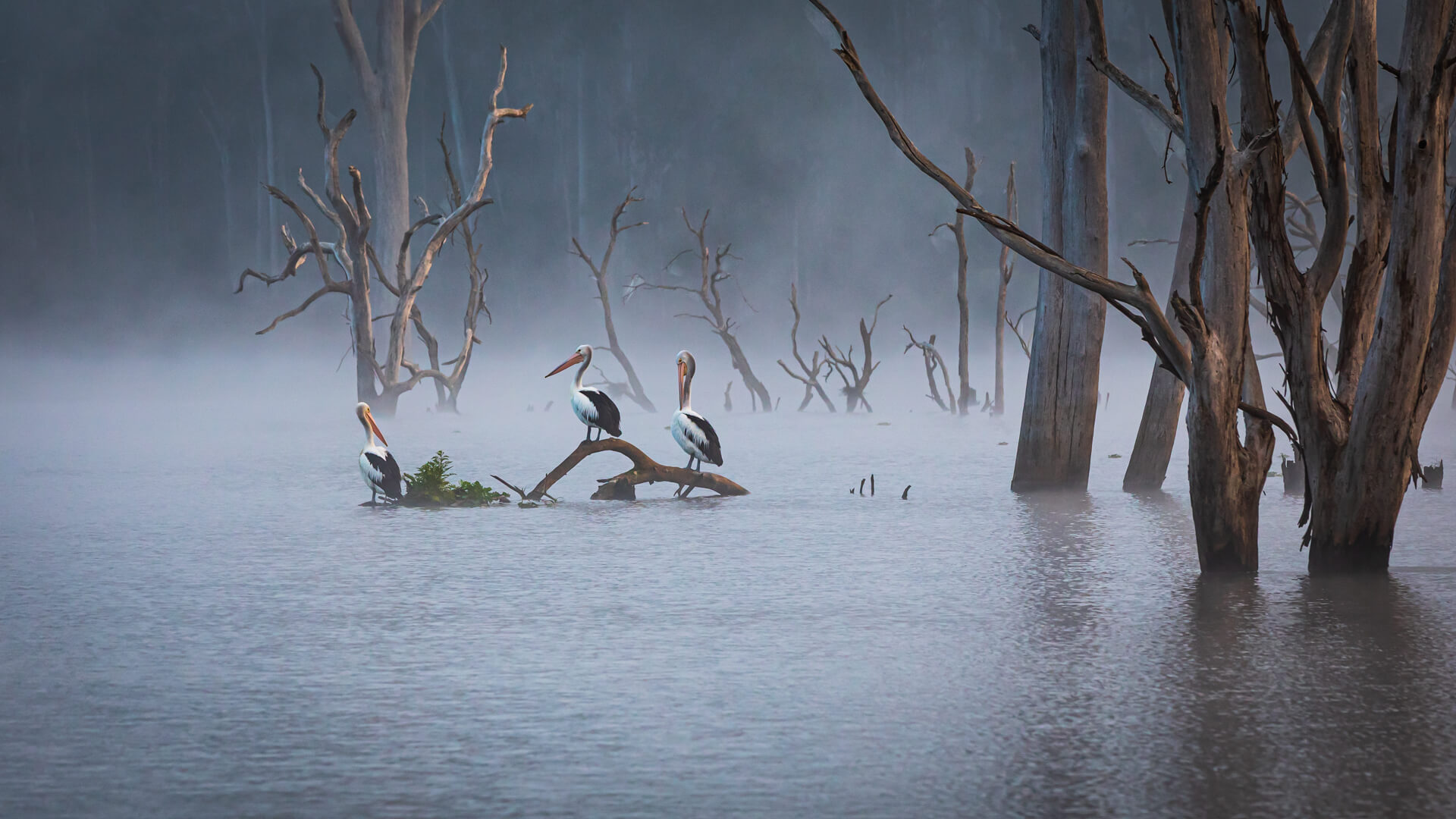
The  Mount Gravatt Photographic Society, in close partnership with Karl and Eligia’s family, is deeply honoured to announce the establishment of the Annual Eligia Sword Memorial Bird Photography Competition.
Eligia was a deeply loved, highly respected, and talented member of our club whose passion for bird photography inspired so many of us.
To celebrate her memory and continue her legacy, Karl and her family have generously offered to establish and support this annual award.
We hope this competition serves as a lasting tribute to her incredible spirit and dedication to nature photography.
Competition Details & Rules
Entries Close: 11th November 2026 @ 9:00 PM
Judging: Awards will be presented and celebrated at our annual MGPS Christmas Party.
Grades & Sections: Grade A & Non-A Grade
Prizes 1st Place: $150 Cash Prize & Engraved Glass Trophy
2nd Place: $80 Cash Prize
Medium: 1 x Digital entry.
All submitted entries will be displayed during the Christmas party.
Subject
Images may be of wild birds or those kept in captivity e.g. at wildlife parks and similar.
No people may be present in the photo, and evidence of the hand of man may be included but must be kept minimal. E.g. birds may be sitting on fences or fenceposts, wires or other manmade structures.
The welfare of the birds being photographed must be considered at all times.
Rules
All parts of the work must be photographed by the maker.
Images may not be composited, though focus stacking is permitted.
Images may have minimal editing of subject matter – small distractions (for example highlights and intrusive small twigs, leaves or branchlets or other small distracting elements) comprising only a very small part of the image may be tended to (e.g. by cloning / healing or similar), but no evidence of their removal should be noticeable.
Adjustments such as brightness, hue, saturation and contrast etc, whether global or local may be used, such that all editing adjustments appear natural.
Images may be monochrome; they do not necessarily need to be greyscale.
No elements external to the original image(s) may be brought in by AI-assisted processes or similar.
Images entered previously in monthly club competitions may be entered.
Images entered in a previous Eligia Sword Memorial Bird Photography Competition may not be entered again.
The original raw or unedited files, and images either side may be requested by the judge, the MGPS Committee, or the MGPS Competitions Officer in consultation with the President.
Your images for the set subject of Nature (1 open subject images, 1 set subject Images) are due by 9PM Wednesday, 9th of December 2026
Definition:
Nature photography records all branches of natural history except anthropology and archaeology.
This includes all aspects of the physical world, both animate and inanimate, that have not been made or modified by humans.